Legal
Review contracts 80% faster with the governance Legal requires
SerenityGPT helps legal teams find the right information quickly, respond consistently to the business, and reduce repetitive requests, while keeping control over sensitive content and approvals. It brings together contracts, templates, policies, playbooks, and prior decisions into a single AI layer that answers questions with clear sourcing and predictable behavior.
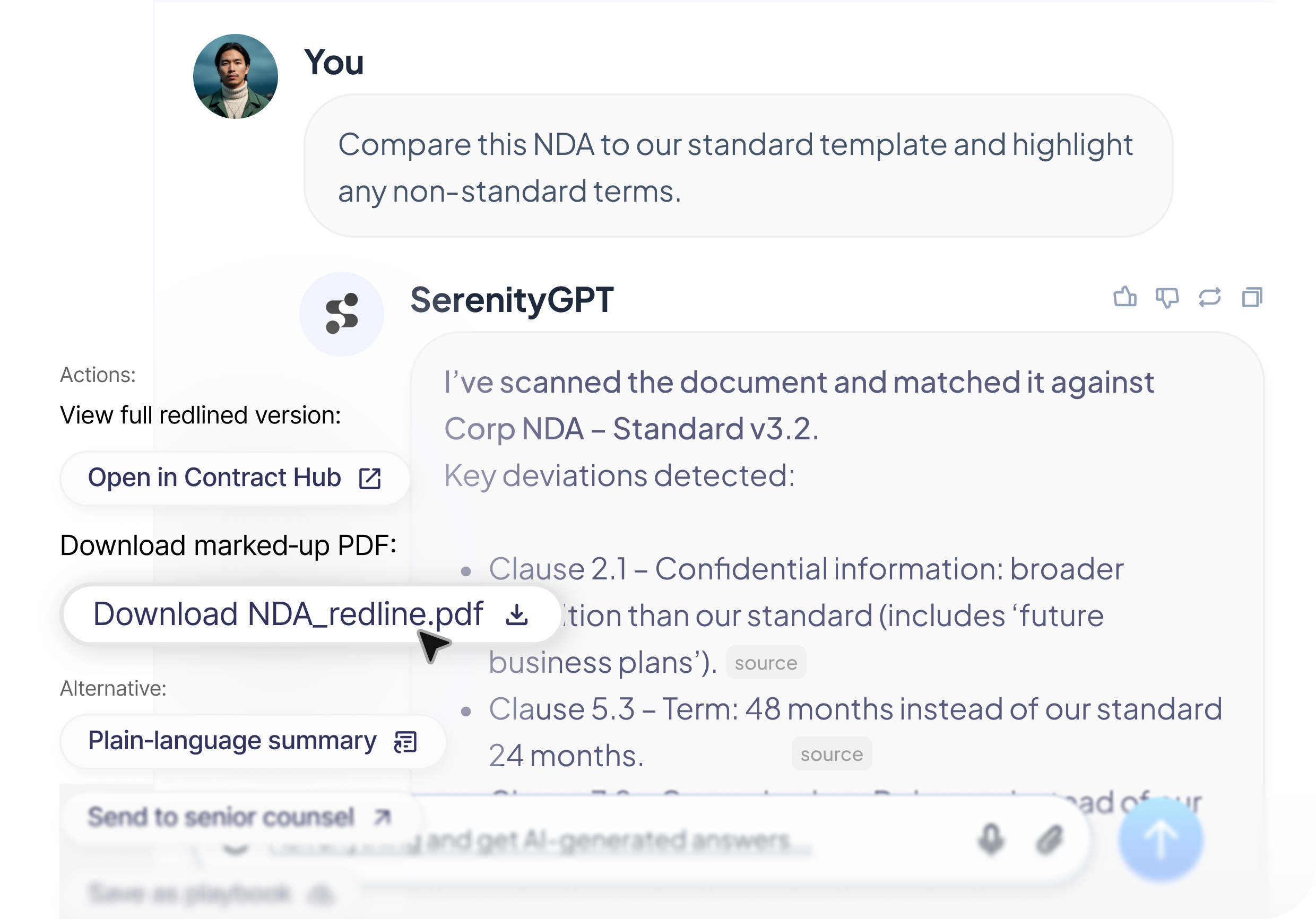
What Serenity does
Self-service that stays approved

Deflect repeat legal questions with consistent answers grounded in your approved policies, playbooks, and templates.
- Answers common questions with references to approved sources
- Standardizes guidance across teams and regions
- Safe fallbacks when information is missing or unclear
Instant discovery across documents and clauses

Find the right contract, clause, precedent, or prior position in seconds, without digging across folders and tools.
- Search across contracts, templates, policies, and playbooks
- Highlight relevant sections and link directly to sources
- Retrieve 'what we agreed last time' with context
Outcomes
Fewer repeat questions from the business
Less back-and-forth on routine requests
More consistent guidance and negotiation positions
Permission-aware access to sensitive content
Optional review and approval for higher-risk outputs
Audit-friendly visibility into usage and gaps
The problem
Legal teams are pulled into constant repeat questions and document hunts: 'Do we have an NDA?', 'Can we accept this term?', 'What's our position on X?' The work is high-volume, context-heavy, and often relies on institutional knowledge that doesn't scale. The result is slower business decisions, inconsistent guidance, and time lost searching for the right clause or precedent.
The shift
Leading legal functions are moving from "search and respond" to workflow-native support: retrieve the right policy, find relevant precedent, standardize the position, and route higher-risk items for review. SerenityGPT is built for this shift, with grounded answers, traceability, and controlled automation that respects Legal's accountability requirements.
Use cases
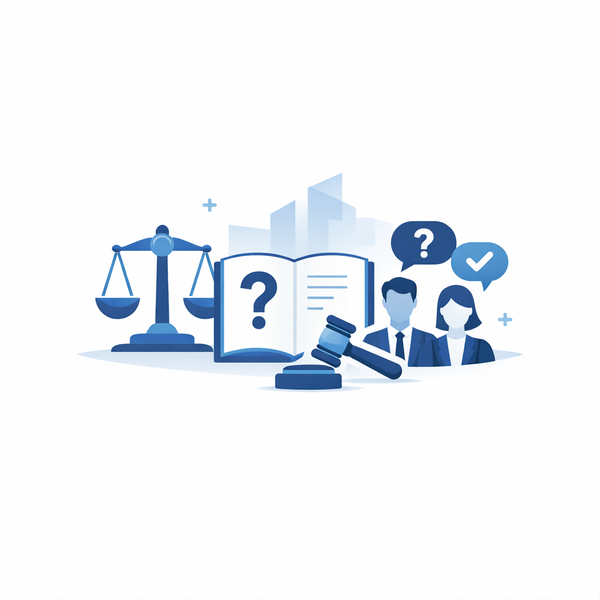
Legal Q&A for the business
Answer common questions using approved guidance, with references and predictable behavior.
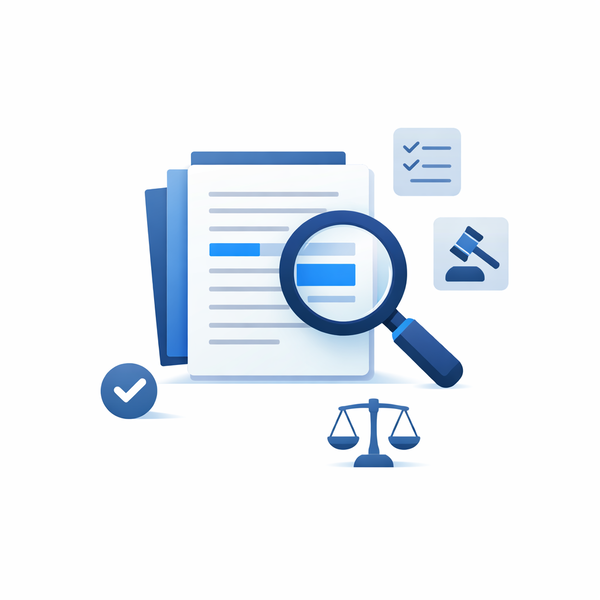
Find the right document, clause, or precedent
Locate relevant contracts and highlight the exact sections that matter, with links to sources.
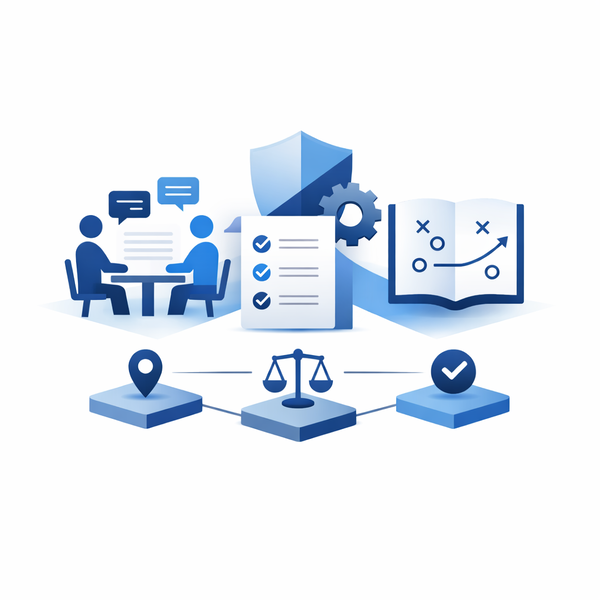
Standardize negotiation positions and playbooks
Surface approved positions, fallback language, and rationale so teams stop reinventing guidance.
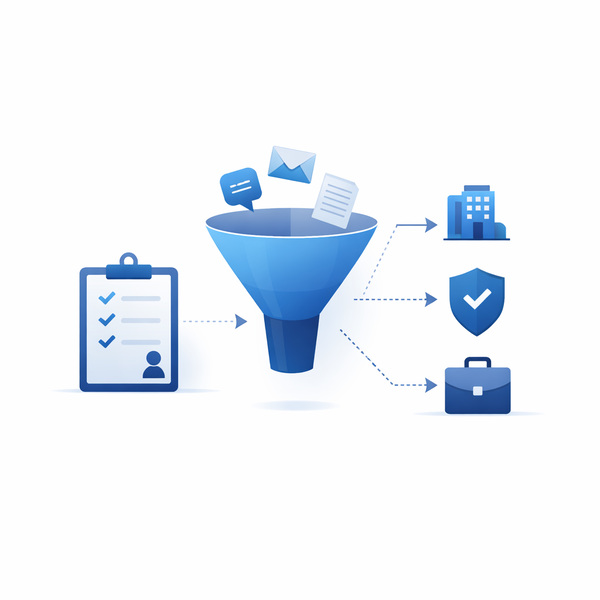
Intake, triage, and routing
Collect missing details, categorize requests, and route them with context to reduce back-and-forth.
How it works
Connect to the sources Legal relies on

Work from your contracts and approved materials, not guesses.
- Contract repositories and shared drives
- Policy and playbook documentation
- Email, collaboration tools, and intake systems
Retrieve first, then respond with traceability

Every answer is grounded in your approved sources and includes clear references.
- Permission-aware retrieval and responses
- Clause and position retrieval with sourcing
- Clear fallback behavior when uncertain
Draft with guardrails and human oversight

Produce first drafts aligned to your templates and policies, ready for review.
- Draft responses and summarize requested changes
- Optional review workflows for high-risk outputs
- Consistent tone, structure, and approved language
Built for legal governance and control
Respect existing access controls by matter and team
Keep confidential content restricted by default
Avoid leakage across confidentiality levels
Approved knowledge first
Audit-friendly visibility into usage patterns
Clear handling when information is ambiguous