Sales and Revenue
Cut deal cycles by 30% with answers the business stands behind
SerenityGPT gives revenue teams fast, consistent access to product, pricing, policy, and customer context, without relying on Slack pings or hunting through scattered docs. Reps get answers they can trust. Leaders get consistency at scale. SerenityGPT is grounded in your approved sources and aligned with governance and access control.
What Serenity does
Deal desk answers, on demand

Get instant, source-backed answers to product, pricing, packaging, and policy questions.
- Answers from approved sources with references
- Clear fallback behavior when info is missing or uncertain
- Fewer interruptions to product, legal, and operations
Meeting prep with real account context

Summarize CRM notes, prior comms, and customer history (where permitted) to walk into every call prepared.
- Fast account and renewal context in one view
- Pulls key facts and risks from prior interactions
- Less scrambling and fewer surprises mid-deal
Drafts that stay on-message

Create follow-ups, proposals, and talk tracks aligned to approved messaging and assets.
- First drafts tailored by segment, region, or offering
- Consistent positioning across reps and partners
- Reduces risky claims and 'winging it'
Outcomes
Quicker answers to high-frequency rep questions
Faster meeting prep and follow-ups
Cleaner handoffs from Sales to CS and delivery
Fewer expert interruptions (product, legal, ops)
Shorter ramp time for new reps
More consistent messaging across teams and regions
The problem
Revenue teams move fast, but the knowledge they rely on is scattered and constantly changing. Reps lose time chasing answers, guidance drifts across regions, and the wrong answer can create risk. The result is slower cycles, inconsistent positioning, and too much dependency on a few "go-to" experts.
The shift
High-performing revenue orgs are moving from "search and ask around" to workflow-native enablement: retrieve the right sources, summarize the account context, draft the next message, and capture learnings so guidance stays current. SerenityGPT is built for this shift with grounded answers and controlled automation.
Use cases
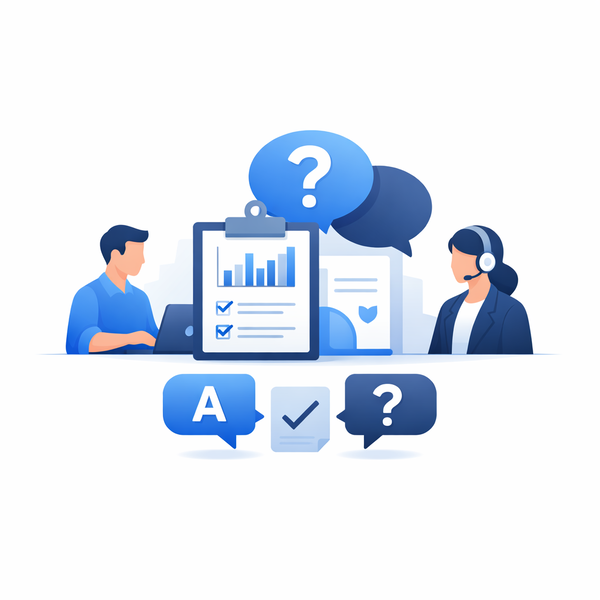
Deal desk Q&A
Answer 'Can we support this?' and 'What are our standard terms?' using approved sources with references.
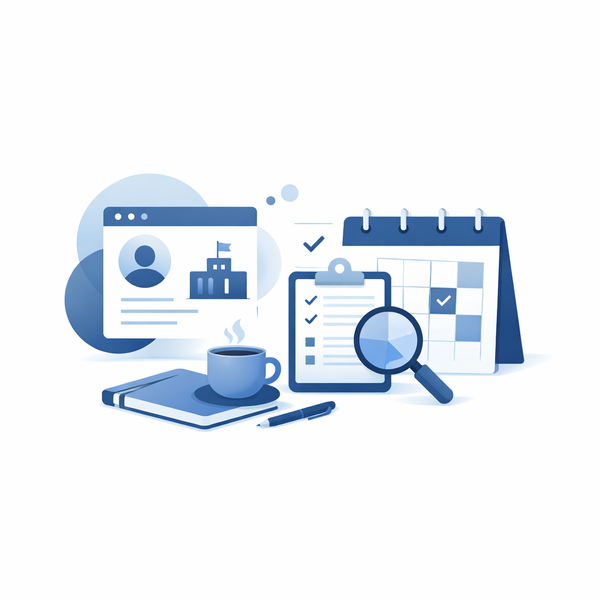
Account context and meeting prep
Summarize relevant CRM notes, prior comms, and customer history to prep faster and reduce surprises.
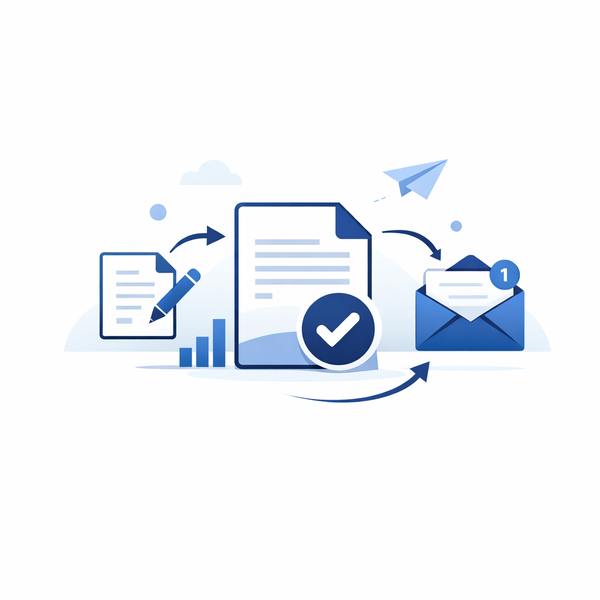
Proposal and follow-up drafting
Produce first drafts aligned with approved messaging, proof points, and brand voice.

CS and delivery handoffs
Generate structured handoffs with requirements, risks, expectations, and next steps.
How it works
Connect to the sources revenue relies on

Work from your approved enablement and customer context, not guesses.
- CRM and deal notes
- Enablement and sales content hubs
- Email and collaboration tools
- Support and customer history systems (where relevant)
Grounded answers that prioritize approved guidance

Every response is source-backed, with safe handling of uncertainty.
- Permission-aware retrieval and answers
- Clear citations and traceability
- Fallbacks: ask, route, or escalate instead of guessing
Start with one workflow, then expand

Prove impact in a high-frequency motion, then scale across the org.
- Start with deal desk Q&A or meeting prep
- Expand to drafting, positioning, and handoffs
- Identify content gaps and reduce repeat questions
Built for revenue governance and control
Approved knowledge first
Clear uncertainty handling
Optional review workflows for high-impact claims
Permission-aware access to sensitive content
Visibility into gaps and outdated guidance
Auditability for answers and workflows